Source Towing Kingpin Hitch Hook for Trucks, Trailers, and Yachts
Find and compare 30 towing kingpin hitch hook options for industrial, household, and marine applications. Evaluate steel and metal materials, various loading capacities, and customization features to select the right component for your specific towing or securing needs.
Key considerations
Products List


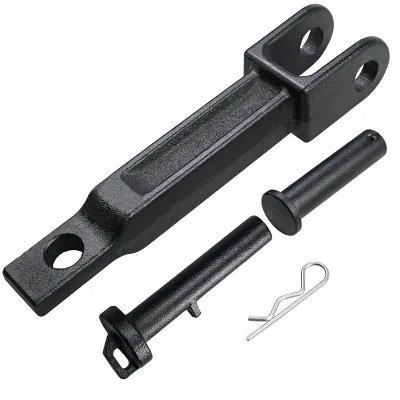


Comprehensive Sourcing Guide
Towing Kingpin Hitch Hook Sourcing Guide
The global market for towing kingpin hitch hooks and related pintle hook assemblies presents a diverse range of industrial and maritime solutions, primarily originating from manufacturing hubs in Qingdao, Shandong, and broader China. Buyers navigating this sector must distinguish between heavy-duty towing components designed for commercial trailers and specialized marine hardware intended for yacht and boat applications. The observed product landscape includes single-hook configurations and multi-hook systems, with materials ranging from standard steel to specialized metal alloys, all subject to varying degrees of customization based on client specifications.
Procurement decisions for these critical safety components require a rigorous understanding of the specific load ratings and surface treatments available in the current supply chain. Listings indicate a wide spectrum of loading capacities, from 5 tons up to 50 tons, alongside specific model numbers like HDCT237 and HDCT241 that denote distinct engineering profiles. While some products are marketed for universal fitment, others are tailored for specific ball sizes or hitch types, necessitating a precise alignment between the buyer's existing fleet requirements and the supplier's technical capabilities before initiating any order.
Product Scope and Observed Listing Signals
Buyers should first categorize the available inventory by its primary application domain, as the supply chain offers distinct product lines for terrestrial towing versus marine mooring. The observed data confirms the existence of pintle hooks and kingpin assemblies designed for industrial and household use, as well as specialized hooks for heaving and cleating hawsers on ships. This distinction is critical because a component optimized for a 20-ton trailer load may not possess the corrosion resistance or structural geometry required for the dynamic stresses of a yacht or boat environment.
The physical attributes of the listed products reveal significant variation in finishing processes and packaging standards that directly impact logistics and durability. Surface treatments observed include chromed, painted, and baking paint finishes, with some items specifically noted as black powder painted or chrome plated to enhance longevity. Packaging ranges from standard wooden boxes and cartons to custom palletized shipments, indicating that suppliers are prepared to handle both bulk industrial orders and specialized, smaller-scale procurement needs with varying degrees of protection.
Technical Specifications to Verify
When evaluating the technical integrity of a towing kingpin or hitch hook, the primary verification step must focus on the load capacity and dimensional compatibility with existing towing equipment. The market data highlights specific loading ratings such as 8 tons, 15 tons, and 50 tons, alongside model specifications like 3/4" and 5/8" standards. Buyers must cross-reference these figures against their operational requirements to ensure the selected hook can safely handle the maximum anticipated weight without risking structural failure or premature wear.
Dimensional precision and material composition are equally vital, particularly regarding the ball size and the overall shape of the hook assembly. Specifications such as 1-7/8", 2", and 2-5/16" ball sizes indicate the need for exact matching with the towing vehicle's receiver, while the "Single Hook" shape and "Universal" fitment claims require validation against the specific geometry of the buyer's fleet. Additionally, the core components, such as the quick-release mechanism, must be inspected to ensure they function reliably under the intended stress conditions, as these are often the first points of failure in high-cycle applications.
Compliance and Safety Documentation
Safety and regulatory compliance for towing hardware are non-negotiable, requiring suppliers to provide documentation that aligns with international and regional standards. The observed product listings reference a robust array of certifications including ISO 9001, ISO/TS16949, CCC, DOT, CE, and various classification society approvals like Rmrs, BV, CCS, ABS, Lr, and Dnv-Gl. These certifications serve as evidence that the manufacturing processes adhere to strict quality management systems and that the products have undergone necessary testing for structural integrity and safety performance.
Buyers must verify that the specific batch of hooks being procured carries the relevant certification marks and that the documentation is current and applicable to the intended market of use. While some products list standards such as ISO, JIS, ANSI, DIN, GB, and ASTM, the buyer must confirm which specific standard applies to the model in question, as compliance with one standard does not automatically guarantee compliance with another. This verification is essential for liability protection and to ensure that the equipment meets the legal requirements for operation in the buyer's jurisdiction.
Cost Drivers and Commercial Terms
The commercial landscape for towing kingpin hitch hooks is influenced by several key cost drivers, including the complexity of customization, the volume of the order, and the specific surface treatments applied. The observed Minimum Order Quantity (MOQ) ranges from 1 to 1000 units, with some suppliers setting a baseline of 500 units for certain models, which significantly impacts the unit economics for smaller buyers. Customization options, such as specific dimensions, colors, or unique packaging requirements, often incur additional costs and may extend the production timeline beyond standard lead times.
Lead times and payment terms are critical variables that affect the total cost of ownership and supply chain reliability. The data indicates a standard lead time of 25-30 days for production, but this can vary based on the complexity of the order and the supplier's current capacity. Buyers should negotiate clear terms regarding delivery schedules and potential penalties for delays, while also considering the impact of shipping costs, which may be influenced by the weight of the steel or metal components and the chosen packaging method, such as wooden boxes or pallets.
Supplier Qualification and Quality Control
Selecting a qualified supplier requires a thorough assessment of their manufacturing location, production capacity, and history of quality control. The majority of the observed products originate from Qingdao, Shandong, and other regions in China, which are established hubs for metal fabrication and automotive hardware. Buyers should prioritize suppliers who can demonstrate a consistent track record of meeting the specified standards and who offer transparent communication regarding their production processes and quality assurance protocols.
Quality control measures should be a central part of the supplier evaluation, focusing on the consistency of material quality and the reliability of the finishing processes. Suppliers offering products with certifications like ISO/TS16949 and CCC are likely to have more rigorous internal testing procedures, but buyers should still request sample inspections or third-party verification reports before committing to large orders. The condition of the product, typically listed as "New," should be verified through physical inspection to ensure there are no defects in the casting, welding, or surface treatment that could compromise performance.
Long-Term Procurement Checks
Establishing a long-term procurement relationship for towing kingpin hitch hooks involves regular performance reviews and ongoing verification of supplier capabilities. Buyers should implement a system for tracking the performance of the hooks in the field, monitoring for any signs of premature wear, corrosion, or mechanical failure that might indicate a deviation from the expected quality standards. This feedback loop is essential for maintaining safety and operational efficiency, allowing the buyer to address any issues with the supplier before they escalate into larger problems.
Future procurement strategies should also account for potential changes in market standards and the evolution of towing technology. As regulations and industry best practices evolve, suppliers must be able to adapt their product lines to meet new requirements, such as updated load ratings or enhanced corrosion resistance. Buyers should maintain open lines of communication with their suppliers to stay informed about new product developments, such as the introduction of different ball sizes or improved surface treatments, ensuring that their fleet remains equipped with the most reliable and compliant hardware available.
FAQs
What materials are used for towing kingpin hitch hooks?
These hooks are primarily manufactured from steel and metal to ensure high durability and load-bearing capacity. The materials are selected to withstand heavy industrial and marine applications, providing structural integrity for pintle hooks and yacht fittings. This robust construction supports various loading capacities ranging from 5 tons to 50 tons for different operational requirements.
Can towing kingpin hitch hooks be customized for specific needs?
Yes, customization is available for dimensions, colors, and specific model requirements. Buyers can request custom sizes, such as 85*45mm, or specific ball sizes like 1-7/8 inches. The surface treatment can also be tailored, with options including chromed, painted, or black powder coated finishes to meet distinct environmental or aesthetic standards.
What certifications are required for marine towing hooks?
Marine-grade towing hooks typically require certifications from recognized classification societies such as Rmrs, BV, CCS, ABS, Lr, and Dnv-Gl. These certifications ensure compliance with international maritime safety standards. Additionally, industrial variants may hold ISO/TS16949, CCC, DOT, ISO, CE, BV, and SGS certifications for broader industrial application compliance.
What is the typical lead time for ordering these hooks?
The standard lead time for production and delivery is approximately 25 to 30 days. This timeframe allows for manufacturing, quality control, and preparation of the standard wooden box or pallet packaging. Buyers should account for this duration when planning procurement schedules, especially for customized orders or large volume requirements.
Which standards apply to towing kingpin hitch hooks?
These products adhere to various international standards including ISO, JIS, ANSI, DIN, GB, and ASTM. Specific models may follow standards like 3/4 inch or 5/8 inch specifications, or capacity ratings such as 30T-200T. The manufacturing process often follows ISO 9001 quality management systems to ensure consistent product quality and reliability.
What are the common applications for these hitch hooks?
These hooks are used for household, industrial, and marine applications, including yacht and boat towing. They serve as pintle hooks for trailers, quick release hooks for heavy machinery, and cleating hawsers for ships. The versatile design supports heaving operations and secure towing connections across various sectors requiring reliable mechanical fastening.